In today's competitive landscape, choosing the right Mezzanine Systems is crucial for maximizing operational efficiency. According to a recent industry report by the Material Handling Industry of America, effective use of mezzanine systems can increase warehouse space utilization by up to 40%. This significant gain highlights the importance of selecting systems tailored to specific business needs.
Businesses often overlook the potential of mezzanine systems, focusing solely on traditional shelving. Yet, these systems offer versatile solutions for storage and workspace. For instance, a company that integrated a multi-tier mezzanine saw a 30% increase in productivity. This showcases how tailored mezzanine solutions not only optimize space but can also enhance workflow.
However, not every solution fits every business. Factors such as load capacity and building configuration must be considered. A one-size-fits-all approach may lead to inefficiencies. Choosing the right mezzanine system requires thorough research and expert advice. This article explores the best mezzanine systems for 2026, highlighting features and considerations essential for informed decision-making.
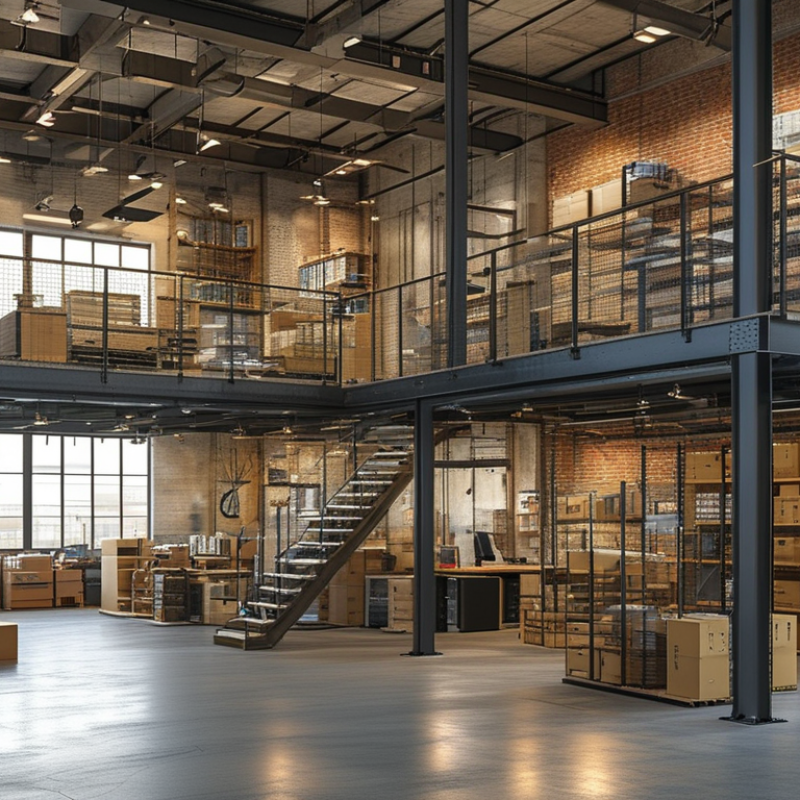
Mezzanine systems are an effective solution for businesses looking to optimize their space. These elevated platforms create additional storage or workspace without requiring extensive renovations. Typically made of steel, mezzanines can be customized to fit various operational needs. According to industry reports, 85% of companies using mezzanine systems report increased operational efficiency. This is attributed to better space utilization and enhanced workflow.
Understanding the functionality of mezzanine systems is vital. They are often used in warehouses, distribution centers, and retail spaces. By adding a mezzanine, businesses can increase their vertical space significantly. This cost-effective approach is reported to yield a return on investment of up to 150% within the first year. However, it is crucial to assess whether your business can support the load and height requirements of a mezzanine.
Tip: Evaluate your current layout before committing. Sometimes, a simpler solution may suffice. Small adjustments can lead to major improvements. Always consider local building codes before installation to ensure compliance. Another tip is to involve your team in the decision-making process. Their feedback is valuable in selecting the best design for your needs. Ultimately, thoughtful planning is key to maximizing the benefits of mezzanine systems.
| System Type | Material | Load Capacity (lbs) | Height (ft) | Applications |
|---|---|---|---|---|
| Modular Mezzanine | Steel | 3000 | 10 | Warehousing, Manufacturing |
| Stackable Mezzanine | Aluminum | 2000 | 8 | Retail, Inventory Storage |
| Industrial Mezzanine | Steel | 5000 | 12 | Heavy Machinery, Equipment Storage |
| Freestanding Mezzanine | Steel | 4000 | 14 | Manufacturing, Distribution Centers |
: A mezzanine system is a raised platform that adds extra space in a warehouse.
Effective mezzanine installations can increase usable space by up to 50%.
Consider factors like modularity, load capacity, and customization options.
Smart design streamlines workflows and prevents wasted space. Poor design leads to inefficiencies.
They improve productivity and employee satisfaction, making a workspace more efficient.
Trends indicate the integration of smart technology to optimize space usage and layouts.
Safety features like anti-slip surfaces should be prioritized for employee comfort.
User feedback helps assess the real-world effectiveness of mezzanine solutions.
Scalability is crucial to adapt to changing operational needs over time.
Organizations should reflect on past experiences to select the right mezzanine solution.
Mezzanine Systems play a crucial role in optimizing space utilization for businesses, particularly in warehouse settings. These elevated platforms provide additional storage and operational areas without the need for extensive renovations. Understanding their definition and functionality is essential for companies looking to enhance their efficiency. The key benefits of Mezzanine Systems include increased storage capacity, improved workflow, and cost savings. Various designs can be tailored to maximize warehouse space effectively.
When choosing the right Mezzanine System, several factors must be considered, including load capacity, height requirements, and the specific needs of the business. As technology evolves, future trends in Mezzanine Systems may incorporate automation and advanced materials to further improve their efficiency and adaptability in operational environments. By staying informed about these developments, businesses can make strategic choices to best meet their evolving needs.

 JGY Shelf