In an era marked by rapid data growth, businesses increasingly recognize the value of Multi-tier Storage solutions. Expert Jane Doe, a renowned figure in data management, emphasizes, "Adopting Multi-tier Storage can drastically improve both efficiency and cost-effectiveness." This innovation segregates data based on access frequency, allowing organizations to optimize resources.
Multi-tier Storage helps in managing the data deluge, storing frequently used data in faster tiers while relegating infrequently accessed data to slower, lower-cost options. As many companies grapple with increasing storage costs, they often miss opportunities to refine their strategies. It's not just about storing data; it's about storing it intelligently.
However, the implementation of Multi-tier Storage isn't without its challenges. Organizations must carefully evaluate their data access patterns. Misjudging this can lead to inefficiencies. Despite these hurdles, the benefits of adopting a Multi-tier Storage strategy are promising. Acknowledging the difficulties while leveraging the potential can lead to greatly improved operational performance.
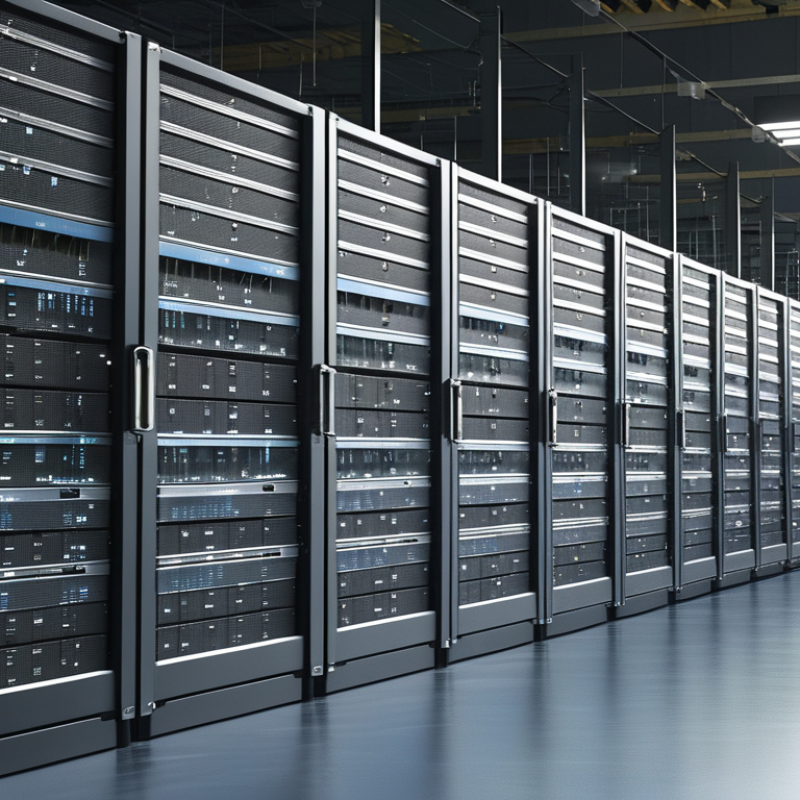
Multi-tier storage is gaining attention among global buyers. This approach involves classifying data into different tiers based on access frequency and importance. A report from IDC emphasizes that 80% of enterprise data is rarely accessed. By organizing this data efficiently, organizations can substantially reduce costs.
The primary benefit of multi-tier storage lies in its cost-effectiveness. According to a study by Gartner, companies can save up to 30% on storage costs. This is achieved by leveraging low-cost storage solutions for infrequently accessed data. High-performance storage is reserved for critical applications, optimizing both performance and expenditure.
**Tip:** Regularly audit your data storage. This helps identify which data can be moved to lower-cost tiers.
Effective data management is crucial for today's businesses. Many organizations struggle with this, leading to wasted resources. The data explosion complicates the storage landscape. Companies often find themselves paying for space that they don’t utilize. This inefficiency can be frustrating and costly.
**Tip:** Implement a tiered policy for data retention. Define clear criteria for each tier. This promotes accountability and improves storage strategies.
Multi-tier storage solutions offer significant advantages for global buyers, particularly regarding data accessibility. Reports indicate that over 60% of organizations struggle with data retrieval times, which can severely impact operational efficiency. Multi-tier storage can address this challenge by categorizing data based on its frequency of access and relevance, ensuring that frequently accessed data is readily available.
According to industry analysis, businesses can reduce data retrieval times by as much as 40% when they implement tiered storage systems. This efficiency translates into faster decision-making processes. Organizations can allocate resources more effectively, directing attention toward critical tasks. Furthermore, studies show that over 70% of firms believe that improved data accessibility leads to better customer experiences.
However, there are challenges. Not all data should be stored in a multi-tier system. Misclassification can lead to delays rather than improved performance. Additionally, the transition to a tiered approach requires careful planning and investment. Without a clear strategy, companies may struggle to realize the full benefits of enhanced data accessibility. Data management practices must evolve to keep pace with technological advancements.
| Benefit | Description | Impact Level | Cost Efficiency |
|---|---|---|---|
| Enhanced Data Accessibility | Quick access to relevant data through multiple storage tiers | High | Moderate |
| Optimized Performance | Improved load times and performance for critical applications | High | High |
| Scalability | Easily expand storage capacity as data needs grow | Medium | Low |
| Data Security | Enhanced security protocols for sensitive data storage | High | Moderate |
| Cost Savings | Lower total cost of ownership by utilizing cost-effective storage | Medium | High |
| Improved Data Management | Better organization and management of data across tiers | Medium | Moderate |
| Increased Reliability | Higher data availability and reliability through redundancy | High | Moderate |
| Simplified Compliance | Easier adherence to regulatory compliance requirements | Medium | Moderate |
| Flexibility | Ability to adapt storage solutions to changing business needs | Medium | Low |
| Long-Term Viability | Prolonged data retention and availability through tiered storage | High | High |
The cost efficiency of multi-tier storage is a game changer for global businesses. A recent industry report highlights that organizations can reduce storage costs by up to 30% by using a tiered approach. This method allocates data across different storage types according to access frequency and importance. Companies can save significantly by maintaining less critical data on lower-cost storage solutions.
Implementing multi-tier storage not only cuts costs but can also improve operational efficiency. The same report indicates that businesses experience a 25% improvement in data retrieval times. This efficiency means teams can focus on core activities rather than wasting hours searching for data. However, it can introduce complexities in data management. Organizations may struggle to define proper tiering strategies, leading to potential inefficiencies if not executed correctly.
Market trends show an increasing adoption of intelligent tiering solutions that automate data movement. Yet, some businesses hesitate to embrace these changes. Concerns about security and compliance must be addressed adequately. Organizations need to weigh the risks of moving sensitive data to lower-tier storage. Balancing cost efficiency while ensuring data security remains a critical challenge for global buyers.
Managing vast amounts of data can be a daunting task for global buyers. Multi-tier storage provides a solution that enhances data organization. This system categorizes data based on importance and access frequency. Critical data gets quick access, while less frequent data moves to slower storage. Buyers can optimize costs through this approach. Consequently, overall efficiency increases.
Adopting multi-tier storage requires careful planning. Not all data fits neatly into predefined layers. Misclassification can lead to slower access to vital information. Users must regularly audit and adjust their storage tiers. This continuous process ensures that data remains organized. Organization is not a one-time task.
Moreover, the integration of multi-tier storage systems may seem complex. Transitioning from traditional storage can pose challenges. Users must familiarize themselves with new workflows. Training staff may take time, which interrupts regular operations. Acknowledging these hurdles is crucial. Embracing change brings opportunities for improved data management. Balancing challenges and benefits can lead to better outcomes.
In today's global markets, scalability is a crucial advantage offered by multi-tier storage. This approach organizes data across different storage types, optimizing performance and cost. Businesses can choose the right storage tier based on current needs, adjusting as demands change. This flexibility ensures that enterprises can efficiently manage growing volumes of data without unnecessary expenditure.
Implementing multi-tier storage requires careful planning. Organizations must assess their specific requirements and potential growth trajectories. It's not always easy to predict future needs, which can complicate the decision-making process. Moreover, misconfigurations can lead to performance issues. Therefore, a thorough understanding of data patterns is essential. Evaluating past data usage can provide valuable insights.
Global buyers must also recognize the balance between performance and cost. Lower tiers may offer slower access speeds but cost savings. Higher-tier solutions provide speed but come at a premium. Finding the sweet spot can be challenging. Nonetheless, with careful analysis, businesses can leverage the scalability of multi-tier storage. It allows them to grow sustainably while remaining cost-effective.
: Multi-tier storage organizes data into different levels based on access frequency and importance.
Companies can reduce storage costs by up to 30% by using lower-cost solutions for infrequently accessed data.
Poor data management leads to wasted resources and pay for unused storage space, causing frustration and costs.
Regularly audit storage and implement a tiered policy to identify data that can move to lower-cost tiers.
It categorizes data based on access frequency, allowing quicker retrieval of frequently used information.
Misclassification of data can cause delays, and transitioning requires careful planning and investment.
Businesses may see a 25% improvement in data retrieval times, enhancing operational efficiency.
Yes, moving sensitive data to lower-tier storage raises security and compliance risks that need addressing.
A clear strategy is critical; without it, companies may struggle to gain the full benefits of tiered storage.
Current practices must adapt; failing to evolve may lead to inefficiencies and lost opportunities in data access.
Multi-tier Storage presents a transformative approach to data management for global buyers, offering a blend of efficiency and accessibility. Through a comprehensive overview, it is evident that Multi-tier Storage enhances data accessibility by leveraging multiple storage tiers to organize and retrieve data more effectively. This innovative system not only promotes improved data management but also ensures that businesses can scale their storage solutions to meet the evolving demands of international markets.
Additionally, the cost efficiency associated with Multi-tier Storage systems significantly benefits global businesses, allowing them to optimize their storage expenses while maximizing performance. By implementing these systems, organizations can achieve a more organized data environment, ultimately leading to better decision-making and operational efficiency. Embracing Multi-tier Storage is thus an essential strategy for any business looking to enhance its data infrastructure in a competitive global landscape.
JGY Shelf