In the realm of modern warehousing, the efficiency of storage solutions is paramount. One standout option is Pallet Flow Storage. This system uses dynamic storage methods to enhance inventory management. It allows for easy access and quick rotation, which helps in keeping products fresh. Ideal for high-demand items, it maximizes space and minimizes waste.
Pallet Flow Storage offers gravity-driven racks that facilitate smooth product movement. As pallets slide down inclined lanes, it streamlines picking processes. This not only increases productivity but also reduces labor costs. However, implementing such a system requires careful planning and analysis. Ensuring safety and proper maintenance is essential.
While the benefits are notable, challenges exist. Initial costs can be high, and training staff is crucial. Additionally, layouts must be optimized for best results. Reflecting on these factors is essential for successful integration. Adopting Pallet Flow Storage can transform warehousing, but it demands commitment and attention to detail.
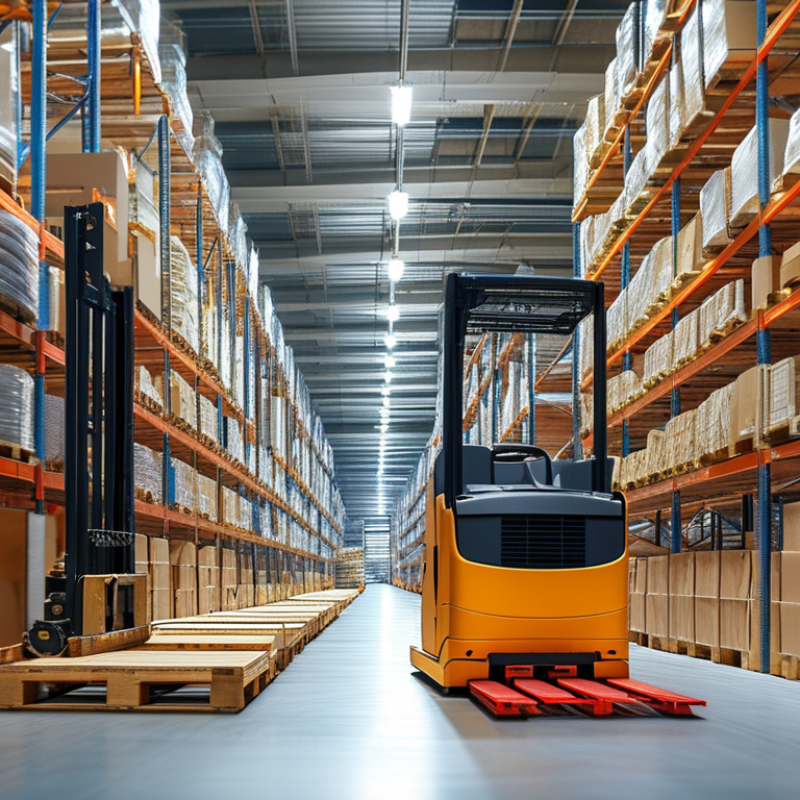
Pallet flow storage is a dynamic solution for modern warehousing. It utilizes gravity to facilitate the movement of pallets through a series of inclined tracks. This design allows items to flow seamlessly from the back to the front, improving access to inventory. As a result, it minimizes the time required to retrieve products.
Implementing pallet flow systems requires careful planning. Warehouse managers must consider design factors like aisle width and load weight. Not all products fit perfectly into this system, and miscalculations can lead to inefficiencies. Balancing speed with proper inventory management is crucial. Understanding the specific needs of a warehouse is key.
Moreover, pallet flow systems can present challenges. If not properly maintained, they may lead to bottlenecks or blockages. Training staff on the operational nuances is essential to avoid these pitfalls. Regular audits and adjustments can optimize productivity. The proper application of pallet flow storage can significantly enhance warehousing operations but demands ongoing attention.
Pallet flow storage systems have revolutionized the warehousing sector. These systems increase storage density while improving inventory rotation. Efficient inventory management is crucial; according to a recent study by the Warehousing Education and Research Council (WERC), warehouses utilizing pallet flow systems can achieve up to 30% more storage capacity than traditional racks. This optimization can lead to cost savings and better space utilization.
One key benefit of pallet flow storage is the reduction in labor costs. Enhanced accessibility allows for quicker picking, which accelerates order fulfillment. A study by the Material Handling Institute (MHI) found that companies employing pallet flow systems reported up to 15% reductions in labor requirements. Such systems maintain a “first in, first out” (FIFO) approach, minimizing product spoilage, especially in industries dealing with perishable goods.
Moreover, there is an aspect of potential drawbacks that should be considered. Initial investment costs can be high and may deter some businesses. Regular maintenance of the flow lanes and rollers is essential to avoid disruptions. It’s vital to weigh these factors against long-term benefits. Despite these challenges, the shift towards pallet flow storage stands as a significant trend in modern warehousing.
Pallet flow storage systems are essential for modern warehousing. These systems optimize space and enhance productivity. They rely on several key components that define their effectiveness.
One critical component is the slope of the lanes. A slight incline allows pallets to move smoothly down the track due to gravity. This aspect can significantly impact the efficiency of the flow. Keep in mind that too steep of a slope can lead to safety hazards and product damage. Balancing the angle is vital.
Another essential part is the rollers used within the system. High-quality rollers reduce friction and ensure that pallets slide easily. Maintenance of these rollers is necessary. Regular checks can prevent unexpected downtimes.
**Tip**: Regular inspections can save money in the long run.
Understanding the weight capacity is equally crucial. Different pallet types have varying load limits. Miscalculating these limits may lead to accidents or equipment failure.
**Tip**: Train staff thoroughly on load requirements to enhance safety.
Crafting an efficient pallet flow system requires consideration and flexibility. Not every layout will work for every warehouse. Testing different configurations may uncover insights that enhance overall performance.
When choosing pallet flow storage solutions, several factors demand careful consideration. First, your warehouse layout plays a crucial role. Narrow aisles allow for dense storage but may limit accessibility. According to a recent warehousing industry report, efficient designs can increase storage density by up to 30%. Flexibility is key. Systems should adapt to varying inventory levels and types, making adjustments straightforward without incurring high costs.
Another aspect to ponder is the materials used in construction. The durability of components affects the overall lifespan of the storage system. Standardized metal components may reduce costs, but their longevity can be questionable. It is important to assess the return on investment over time. Additionally, weight capacities should align with your products. Approximately 20% of warehouse inefficiencies stem from inadequate load management.
Lastly, consider ease of maintenance. A system that requires frequent repairs can impede operations. Regular assessments help identify wear and tear early. Workers can then provide feedback on usability, leading to improvements. Click rates and throughput also illustrate efficiency. Tracking these metrics allows for objective evaluation of the pallet flow solution's performance. Balancing these various factors can lead to a more productive warehouse environment.
Implementing pallet flow storage systems can greatly enhance warehouse efficiency. These systems facilitate easy access to items, speeding up the picking process. Create a layout that maximizes space and streamlines movement. Ensure the flow lanes are designed for optimal gravity flow. This encourages faster inventory turnover and reduces waiting times.
Training staff is also crucial. Employees should understand how the pallet flow system works. They need to be aware of safety protocols. An undertrained staff can lead to mishandling and accidents. Regular training sessions can help reinforce best practices. In addition, maintain communication. Keep feedback channels open, allowing workers to express concerns.
Consider the challenges as well. Not all products are suitable for pallet flow. Some items may require special handling, affecting flow efficiency. Regularly review inventory types and adjust your system accordingly. A flexible approach will help address these issues. Reflect on the layout and make adjustments based on performance data. Continuous improvement is essential for long-term success in warehousing.
This chart illustrates the efficiency of different pallet flow storage solutions based on their maximum storage density, picking speed, and operational cost.
: Pallet flow storage uses gravity to move pallets on inclined tracks. This setup helps items flow from back to front.
Key benefits include increased storage density, improved inventory rotation, and faster order fulfillment, reducing labor costs.
Warehouses using these systems can achieve up to 30% more storage capacity than traditional methods.
Potential challenges include maintaining flow lanes and avoiding bottlenecks. Miscalculations can lead to inefficiencies.
Proper training helps staff learn operational nuances, reducing the risk of blockages and maximizing productivity.
They maintain a "first in, first out" (FIFO) method, minimizing spoilage in perishable goods.
Consider aisle width, load weight, initial investment, and ongoing maintenance to ensure effectiveness.
Yes, the initial costs can be high, and regular maintenance is necessary to avoid disruptions.
Enhanced accessibility allows for quicker picking, contributing to up to 15% reduction in labor needs.
Planning, regular audits, and ongoing attention to design and maintenance are crucial for success.
Pallet Flow Storage is an innovative warehousing solution designed to enhance efficiency by utilizing a dynamic system of gravity-driven pallets. This method allows for easy access and high-density storage, making it ideal for managing large quantities of inventory with minimal handling. The key benefits of Pallet Flow Storage include improved inventory management, better space utilization, and faster throughput, which ultimately lead to increased operational efficiency.
When considering implementation, it's important to understand the essential components of effective Pallet Flow systems, such as flow lanes, roller tracks, and adequate braking mechanisms. Additionally, factors such as warehouse layout, load types, and future scalability must be considered to ensure optimal performance. By following best practices for implementation, warehouses can maximize the advantages of Pallet Flow Storage, resulting in streamlined operations and enhanced productivity.

JGY Shelf