Radio Shuttle Storage systems have revolutionized the way warehouses manage inventory. These systems utilize shuttle vehicles to transport goods within storage racks, enhancing storage density and retrieval speed. However, implementing these systems can pose challenges. Simply installing a Radio Shuttle Storage system does not guarantee optimal functionality or efficiency.
Warehouse managers must consider several factors to maximize efficiency. Layout design, for instance, plays a critical role. A poorly designed layout can lead to bottlenecks and suboptimal use of space. It's essential to assess the flow of goods and position shuttles smartly. Additionally, regular maintenance of the shuttle technology is vital to prevent downtime.
Analyzing data can provide insights into areas needing improvement. Some may overlook this stage, assuming the system will work seamlessly. However, continuous evaluation is key to identifying inefficiencies. Training staff on operational best practices is equally important. Empowered employees can make quick decisions to keep operations smooth. Thus, optimizing Radio Shuttle Storage is not just about technology; it's about a holistic approach to warehouse management.
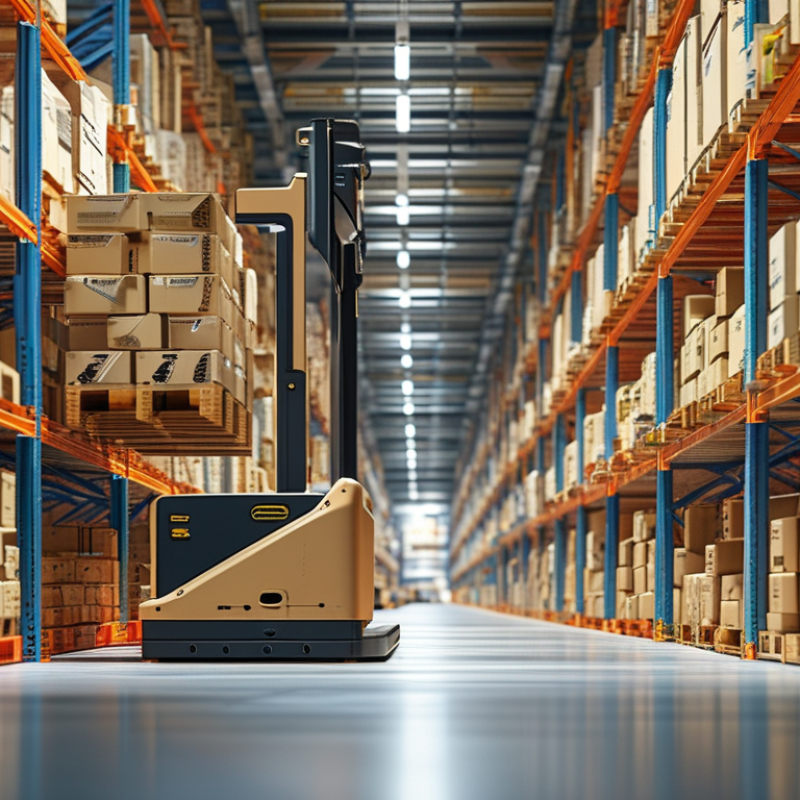
Radio shuttle storage systems are becoming increasingly popular in modern warehouses. These systems offer flexibility and increased storage capacity. According to a 2022 report by a leading logistics expert, radio shuttle systems can boost storage density by 30% compared to traditional storage methods. This is crucial for businesses looking to maximize their footprint.
Efficient design is vital for leveraging the full potential of radio shuttle storage. An effective layout can reduce travel time within the warehouse by up to 20%. However, many facilities overlook the importance of a well-planned design. Without considering the flow of goods, the benefits of increased density can quickly diminish. Furthermore, training staff on system operation is equally important. A lack of proper training can lead to operational mishaps and decreased efficiency.
Monitoring performance metrics regularly can provide insights into how well the system functions. Adjustments based on this data can lead to improved results. For example, regularly analyzing the turnover rates of different products can help optimize inventory placement. Stagnant products should be strategically positioned to facilitate faster retrieval. This ongoing evaluation process fosters continuous improvement, ensuring that the storage system remains efficient.
| Dimension | Value | Notes |
|---|---|---|
| Storage Capacity | 1500 pallets | Maximize space utilization |
| Average Handling Time | 30 seconds per pallet | Efficiency measure |
| Energy Consumption | 500 kWh/month | Performance indicator |
| Average Cycle Time | 15 minutes | Time to fill storage |
| Maintenance Frequency | Monthly | Preventative measure |
: Radio shuttle storage systems are modern solutions for increasing warehouse storage capacity and flexibility.
They can improve storage density by up to 30% compared to traditional methods.
A good design can reduce travel time in the warehouse by up to 20%.
Poor layout can lead to diminished benefits and increased travel time for workers.
Regularly monitoring metrics allows for adjustments that enhance system efficiency and performance.
Proper training is crucial to avoid operational mishaps and ensure efficient use of the system.
Yes, automation can improve storage throughput by up to 40%, speeding up processes significantly.
Over-reliance may cause delays due to operational hiccups, so backup procedures are essential.
By analyzing turnover rates, stagnant products can be positioned for quicker retrieval.
Regular assessments help identify inefficiencies and ensure alignment with operational goals.
Radio Shuttle Storage systems offer a highly efficient solution for warehouse management by utilizing automated shuttle vehicles to transport goods within storage racks. Understanding the key components, such as shuttles, racks, and control systems, is crucial for optimizing performance. Effective layout design plays a vital role in maximizing space utilization and minimizing travel times, ensuring quick access to stored items.
Incorporating advanced automation technologies can significantly enhance the efficiency of Radio Shuttle Storage, allowing for increased throughput and reduced labor costs. To maintain optimal performance, regular monitoring and maintenance strategies should be established, ensuring that all system components function smoothly. By implementing these best practices, businesses can achieve a streamlined and effective Radio Shuttle Storage solution that meets their operational demands.

 JGY Shelf