In the ever-evolving landscape of logistics and warehousing, "Heavy Duty Storage" solutions have emerged as a necessity. According to a recent report by the Global Storage Association, the demand for durable storage systems is projected to grow by 10% annually. Industry experts highlight the importance of robust systems in maximizing warehouse efficiency. As noted by logistics expert John Smith, “Heavy Duty Storage is not just about strength; it’s about smart planning.”
The modern warehouse must accommodate diverse goods. This requires not only sturdy designs but also innovative configurations. Stacking capabilities and space optimization are crucial. Advanced materials are being used to enhance the longevity of these solutions. Yet, some warehouses still rely on outdated systems. This can lead to inefficiencies and potential safety hazards.
Investing in quality Heavy Duty Storage can offset these risks. Quality systems improve overall safety and productivity. Businesses must analyze their storage needs critically. The cost of upgrading might seem high, but the long-term benefits can be substantial. Ignoring the need for heavy-duty solutions could hinder growth. Adaptive strategies and reliable systems are the way forward.
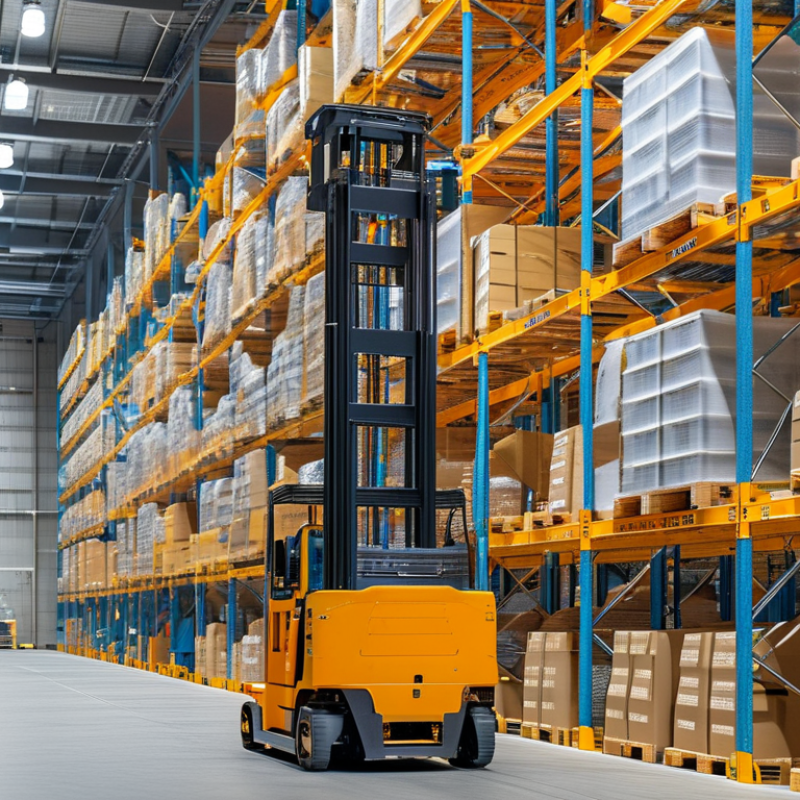
Top 10 Heavy Duty Storage Solutions for Global Buyers
When considering heavy-duty storage solutions, reliability and durability are key factors. Many global buyers seek out options that not only meet their storage needs but also withstand rigorous use. It’s essential to evaluate your specific requirements, such as weight capacity and environmental factors. Some materials might be more suitable depending on the location where storage will be implemented.
Tips: Determine the maximum weight you intend to store. This will guide your selection process. Opt for materials that resist wear and tear, especially if storage conditions are harsh. Consider the ease of access as well; cumbersome storage can lead to inefficiencies.
Heavy-duty solutions come in many forms, from shelving units to stacking bins. Customization can significantly enhance functionality. Reflect on your space utilization; oversized units might hinder movement. Also, taking the time to assess whether a solution fits your growth plans is crucial. Many buyers overlook this aspect, leading to wasted investments over time.
Tips: Measure your available space accurately before purchasing. Ensure that airflow and organization are prioritized in your layout. Engaging with professionals can offer valuable insights into optimizing storage effectively.
Top 10 Heavy Duty Storage Solutions for Global Buyers
| Solution |
Material |
Capacity (kg) |
Dimensions (cm) |
Features |
| Heavy Duty Metal Shelves |
Steel |
600 |
180 x 90 x 40 |
Adjustable, Rust-resistant |
| Industrial Plastic Storage Bins |
Polypropylene |
250 |
60 x 40 x 30 |
Stackable, Lightweight |
| Heavy Duty Pallet Racks |
Steel |
1000 |
240 x 120 x 180 |
Adjustable levels, Durable |
| Metal Storage Cabinets |
Steel |
500 |
90 x 45 x 180 |
Lockable, Shelved |
| Rolling Tool Storage Trolley |
Steel, Plastic |
120 |
70 x 40 x 90 |
Mobile, Multi-compartment |
| Stackable Heavy Duty Crates |
Plastic |
300 |
80 x 60 x 40 |
Stackable, Ventilated |
| Heavy Duty Cart |
Steel |
400 |
100 x 50 x 90 |
Heavy load capacity, Ergonomic |
| Bulk Storage Containers |
Plastic, Steel |
1000 |
120 x 80 x 100 |
Weather-resistant, Stackable |
| Modular Storage Systems |
Aluminum |
Variable |
Customizable |
Flexible design, Durable |
Understanding the Importance of Heavy Duty Storage in Industrial Settings
In industrial settings, heavy duty storage solutions are crucial for optimizing space and enhancing efficiency. Research indicates that effective storage can increase productivity by up to 30%. This improvement is essential in factories, warehouses, and distribution centers, where space is at a premium.
The proper use of durable shelving, racks, and containers ensures that heavy materials are stored safely and accessed easily.
When selecting storage solutions, consider weight capacity and material strength. For example, steel racks are often preferred due to their longevity and resilience. Avoiding overcrowded shelves can prevent accidents, while proper organization saves time during inventory management. Investing in quality storage also reduces long-term costs related to replacements and maintenance. According to industry studies, businesses often see a reduction in operational costs by 20% when upgrading to heavy duty systems.
Tips: Regularly assess your storage needs. Don’t hesitate to reassess your strategies over time. A small change can lead to significant savings. Always provide training for employees on safe storage practices. A well-trained team can greatly mitigate risks associated with heavy materials. Lastly, ensure an organized layout by labeling sections clearly. Clarity leads to efficiency and safety on the floor.
Key Features to Consider When Choosing Heavy Duty Storage Solutions
When selecting heavy duty storage solutions, several key features are essential. The weight capacity is crucial. Ensure the chosen storage unit can handle the expected load. Overloading can lead to severe damage or injury. Durability is another significant factor. Look for materials that withstand wear and tear. Metal or high-density plastic options are often reliable.
Accessibility is vital as well. Choose solutions that allow easy access to stored items. This could mean open shelving or sliding drawers. Poorly designed storage can make it frustrating to retrieve items. Think about the space as well. Measure your available area to ensure a proper fit.
Customizability often enhances usability. Storage units that can be adjusted or expanded can grow with your needs. Flexibility can save money in the long run. Remember to consider aesthetics too. An appealing design can enhance the workflow. Reflect on your priorities; sometimes, functionality may outweigh looks. Each choice shapes your environment, so reassess areas for improvement regularly.
Market Trends: Growth of Heavy Duty Storage Solutions Worldwide
The global market for heavy-duty storage solutions is witnessing significant growth.
Research indicates that the demand will expand at a compound annual growth rate (CAGR) of 5.2% through 2027.
Companies are investing in durable storage systems for better organization and efficiency.
This trend includes various sectors, from manufacturing to logistics.
Heavy-duty shelving, racks, and cabinets are in high demand worldwide.
A report by Industry Research highlights a shift towards modular storage solutions.
Adaptability is crucial for businesses facing dynamic environments.
This means designing storage systems that can grow with changing needs.
Additionally, safety regulations are becoming stricter, driving innovations in heavy-duty storage.
For instance, incorporating features like load-sensing technology enhances workplace safety.
Despite these advancements, challenges remain.
Many companies struggle with selecting the right materials.
The imbalance between cost and durability can lead to unsatisfactory performance.
Moreover, not all regions are equally invested in advanced storage solutions.
This inconsistency affects supply chain efficiencies globally.
It's vital for buyers to assess specific requirements before making decisions.
Comparative Analysis: Leading Brands in Heavy Duty Storage Solutions
When considering heavy-duty storage solutions, a comparative analysis can reveal the
strongest contenders in the market. Leading brands focus on durability and efficiency. They offer
varied sizes for different needs, ensuring proper fit for your space. Look for options that provide robust materials
like steel or reinforced plastic. These materials
ensure longevity and can withstand heavy weights.
Tip: Always evaluate load capacities before purchasing. Understand your specific storage requirements to avoid
overloading. Create a plan for your space. Measure it to ensure the solution fits seamlessly in your home or
workplace. It’s easy to overlook space efficiency in the excitement of selecting storage options.
Some brands offer modular designs, which can be appealing. However, they may not always meet heavy-duty
requirements. Consider whether the assembly process feels intuitive. Complicated setups can lead to
frustration and may impact the stability of the storage unit. User reviews can often provide insights into
these experiences. Many users wish they had chosen a simpler design, highlighting the importance of
thorough research.
Tip: Don’t rush your decision. Take time to analyze your choices. Compare user experiences to gauge reliability.
Understanding the options can significantly improve your storage experience.
Case Studies: Successful Implementations of Heavy Duty Storage Solutions
Implementing heavy-duty storage solutions can revolutionize warehouse efficiency. One case study involved a company that reorganized its storage layout. They integrated vertical shelving to utilize space better. This change minimized floor clutter and improved item retrieval times. Workers reported increased productivity within weeks.
Tips for optimizing heavy-duty storage include evaluating space regularly. Often, overlooked areas can be transformed into functional storage zones. Regular audits help maintain organization. Use clear labels for easy identification. This practice avoids confusion and speeds up access.
Another successful case featured a business that utilized mobile storage systems. These systems allowed them to adjust storage layouts based on inventory needs. However, challenges arose when training staff on the new systems. They found that ongoing training and feedback were essential for smooth transitions. Emphasizing teamwork during implementations fosters a collaborative atmosphere. Adapting to new methods can take time, but the results are worth the effort.
FAQS
: The weight capacity is crucial. Ensure the unit can handle the expected load safely.
Durability ensures that materials can withstand wear and tear over time. Look for metal or high-density plastic.
Accessibility allows easy access to items. Open shelving or sliding drawers can enhance convenience.
Measure your available area carefully. This helps avoid selecting oversized or undersized units.
Customizability allows adjustments or expansions. This can adapt to changing needs over time.
Aesthetics can enhance workflow, but functionality may matter more at times. Prioritize your needs.
Overloading can lead to damage or injury. Always evaluate before making a purchase.
User reviews provide insights into designs. Many regret choosing complicated setups, highlighting research importance.
Rushing the decision can lead to poor choices. Take time to analyze all options carefully.
Space efficiency is easy to overlook. A well-planned layout improves overall usability.
Conclusion
This article presents an insightful overview of the top 10 heavy duty storage solutions tailored for global buyers. It emphasizes the critical role heavy duty storage plays in industrial settings, highlighting its necessity for efficient organization and maximization of space. Key features are discussed that should be considered when selecting heavy duty storage options, such as durability, load capacity, and adaptability to various environments.
Additionally, the article examines market trends indicating a growing demand for heavy duty storage solutions across the globe. A comparative analysis of leading brands assists buyers in making informed decisions based on performance and reliability. Case studies illustrate successful implementations of heavy duty storage solutions, showcasing tangible benefits achieved by industry players. This comprehensive guide empowers buyers to navigate the complexities of heavy duty storage, ensuring optimal choices for their storage needs.

 JGY Shelf