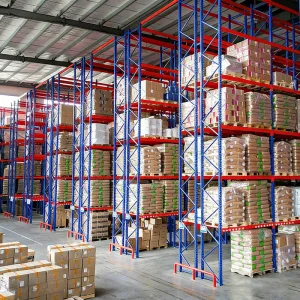
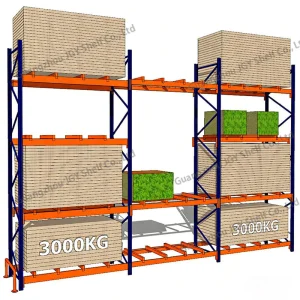
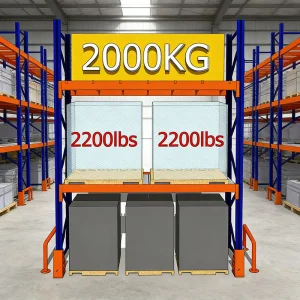
Select models engineered for high durability, structural versatility, and quick assembly.
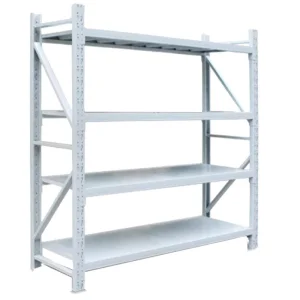
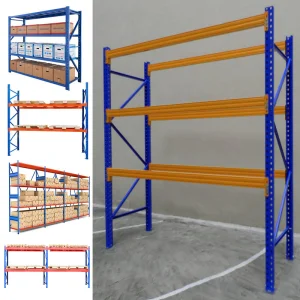
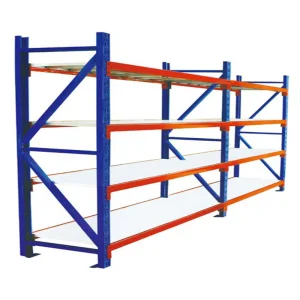
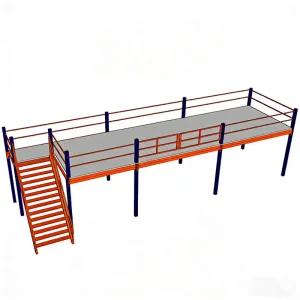
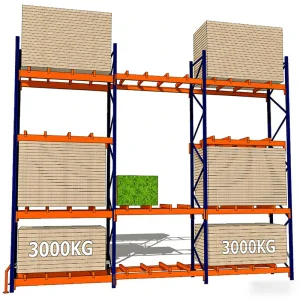
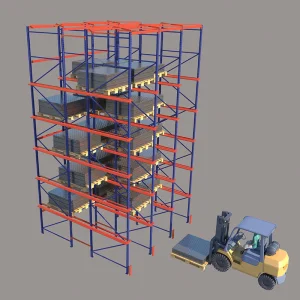
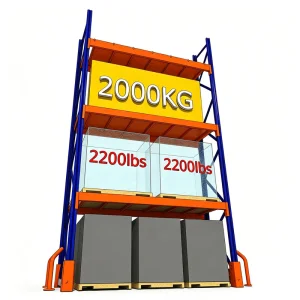
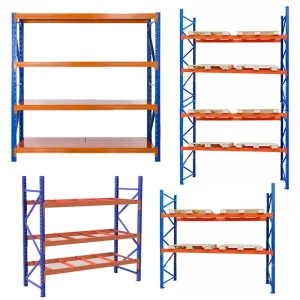
The global warehousing and logistics landscape is shifting toward extreme flexibility, rapid delivery, and modular space optimization. Today's commercial hubs, micro-fulfillment centers, and e-commerce distribution warehouses demand agile racking infrastructures. Among these solutions, light-duty shelving has risen as a critical asset. Designed for load profiles typically ranging between 100 kg and 500 kg per layer, these systems offer a highly configurable storage medium that bridges the gap between massive industrial pallet rack arrays and retail display units.
Standard commodity shelving often suffers from micro-deflection under long-term continuous loads. The latest development trends focus on cold-rolled steel alloy modifications (adding elements like manganese and silicon) to increase yield strength without increasing deadweight, optimizing structural safety factors, and lowering raw material transportation costs.
1. The Shift to Boltless Assembly: Traditional nuts-and-bolts assembly mechanisms are rapidly declining in commercial projects. Modern operators favor structural rivet and drop-in keyhole locking configurations. This transition reduces installation time by up to 65% and requires no specialized tools, translating to massive labor savings during large-scale warehouse implementations.
2. Environmental and Circular Sourcing: The environmental footprint of supply chain components is scrutinized more than ever. Smart manufacturing firms utilize eco-friendly, non-toxic thermoplastic powder coatings that emit zero volatile organic compounds (VOCs). Additionally, end-of-life recyclability is built directly into structural engineering protocols.
3. Anti-Corrosive Layer Technology: Advanced multi-stage pretreatment stages, including zinc-phosphating and electro-deposition coatings, ensure that light-duty shelving units maintain structural integrity in high-humidity facilities, refrigeration storage rooms, and coastal zones.
Procurement teams sourcing light-duty racking units do not look simply at pricing charts; modern sourcing is driven by risk mitigation, compliance, and long-term operating efficiency. A professional buyer’s intent matrix prioritizes several core requirements:
Compliance with ISO 9001:2015, CE declarations, and TUV stress-load validations is standard. Structural calculations must prove load capacities are guaranteed with a safety coefficient (typically 1.5x to 2.0x overload limit).
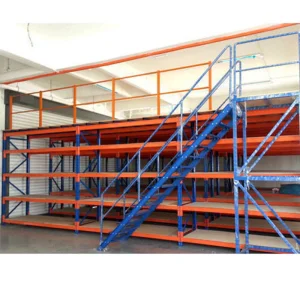
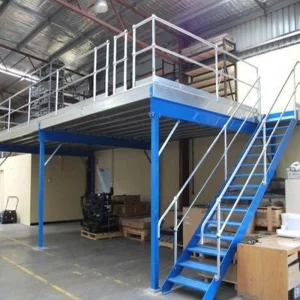
Enterprises look for system designs that integrate into multi-tier mezzanines, warehouse flow systems, or future extensions without discarding existing framework pillars.
Adjustable layer steps (e.g., in 38mm or 50mm increments) allow space administrators to eliminate unused air pocket spaces and optimize density.
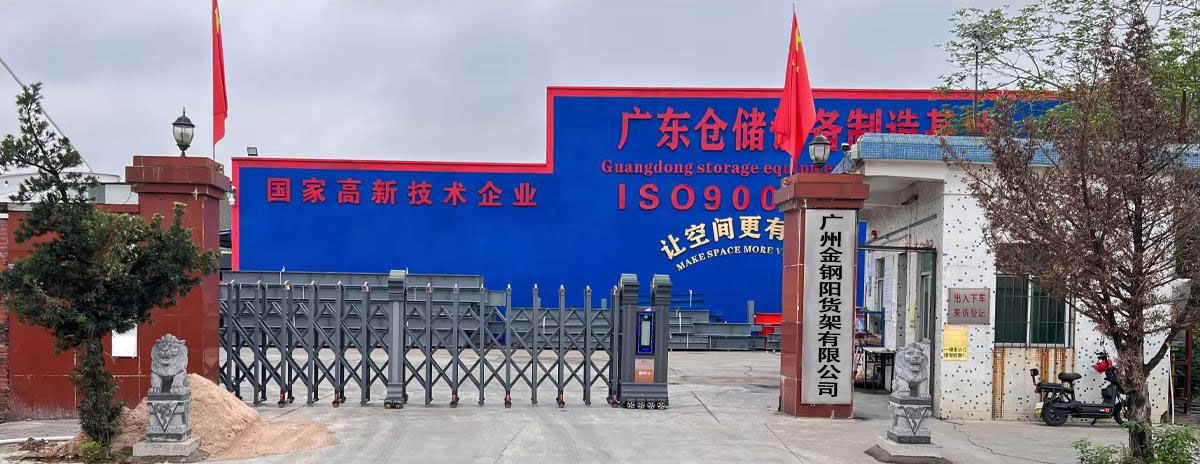
Among the top tiers of worldwide suppliers, Guangdong JGY Shelf Co., Ltd. represents a synthesis of design technology, volume throughput capability, and advanced manufacturing efficiency. Established in 2016, JGY Shelf has transitioned traditional sheet metal fabrication into a digitized, lean production system.
Spanning a modern production footprint of 18,500㎡, the plant operates multiple automated roll-forming and CNC press brake lines, delivering consistent structural tolerance controls down to +/-0.1mm. Combining over 15 years of industry experience in physical manufacturing with 7 years of direct export experience, the company manages an annual export revenue of approximately USD 12 million.
JGY Shelf implements comprehensive verification steps to ensure structural integrity across every shipping batch. This includes:
• Raw Material Inspection: Micro-indentation and spectral testing of incoming steel coils to verify mechanical yield parameters match structural specifications.
• Welding Strength Testing: Advanced destructive and non-destructive joint testing on high-stress shelf corners and connectors.
• Anti-Rust Finish Verification: Multi-hour salt spray testing chamber runs (mimicking years of oceanic transit and high-humidity deployment).
• Load Capacity Testing: Applying continuous hydraulic load press stresses to ensure the standard 1.5x structural factor of safety is met before unit release.
Additionally, the dedicated engineering team launched over 320 new products last year alone, offering tailor-made adjustments for sizing, load dynamics, finishes, and branded commercial packaging options.
When curating the ultimate manufacturer profile database, strategic sourcing coordinators evaluate raw material proximity, vertical integration, automation scale, and local compliance certification footprints. Below is the operational evaluation paradigm for top manufacturers:
1. Direct Source Manufacturers (Guangdong JGY Shelf Co., Ltd.): High adaptability, direct metal coil processing, custom profile extrusion, and lower overheads. Excels in customized OEM/ODM batch requirements with dedicated QA specialists.
2. Heavy Automated North American Fabricators: Standardized, regional distribution, fast shipping on stock items but restricted customization agility and higher unit-material margins.
3. Central European Mezzanine Engineers: High emphasis on strict EN-compliance structural calculations, specialized design systems but with complex logistical steps and higher price-per-kilogram indices.
4. Southeast Asian Assemblers: Developing region suppliers with competitive basic labor costs, but often rely on importing raw steel coils, resulting in vulnerability to regional energy and supply chain fluctuations.
Storage demands vary heavily depending on the site. Light duty racking systems offer cross-industry utility, matching localized needs across multiple sectors:
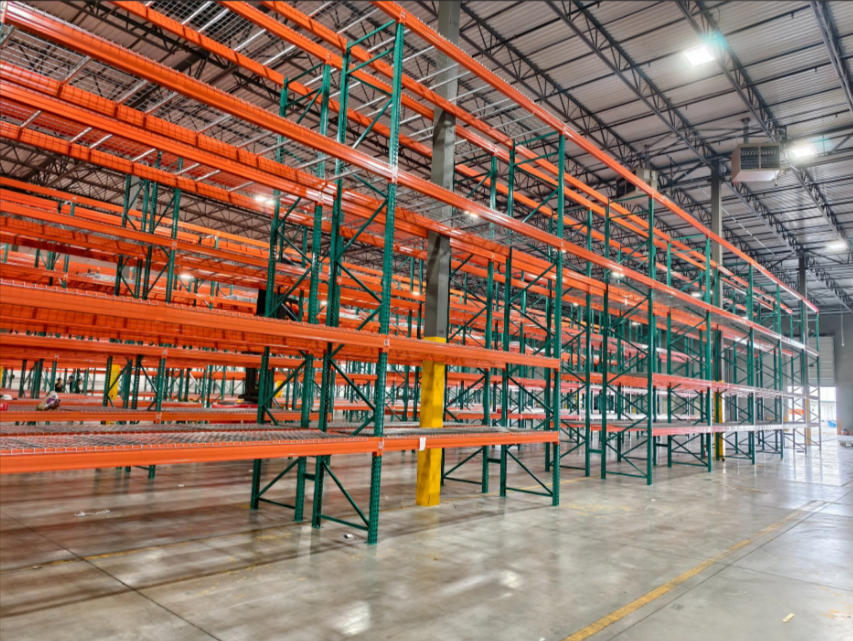
• E-Commerce Fulfillment Hubs: Requiring high-density pick-bins with rapid adjustability. Lightweight racking with wire decking improves light and fire sprinkler penetration while optimizing individual carton indexing.
• Automotive Part Facilities & Garages: Demanding oil, grease, and scratch-resistant steel panels. Highly adjustable beam heights accommodate irregular parts storage (valves, tires, suspension blocks).
• Archival Space Optimization: Heavy-gauge shelving provides sag-free long-term files storage, protecting documents from moisture and floor-level moisture ingress.
• Supermarket Backrooms and Cold storage rooms: Requiring rust-free, anti-microbial treatments and easy sanitation. Quick washdown access keeps commercial hygiene audits running smoothly.
Clear answers to complex technical questions encountered during shelving procurement.
Select models and components engineered for industrial, workshop, and heavy retail environments.
 JGY Shelf