Discover our primary selection of industrial-grade warehouse systems, engineered for maximum utilization of vertical volume and strict adherence to structural safety standards.
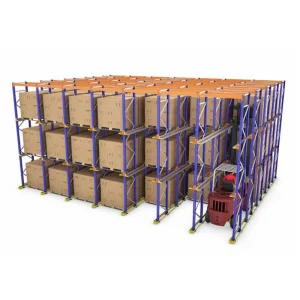
In modern supply chain logistics, maximizing square footage is a strategic imperative. Drive-in racking systems represent one of the most efficient mechanical storage methodologies available, designed to transform horizontal floor space into vertical storage volume. Operating on a Last-In, First-Out (LIFO) inventory management cycle, these systems are ideally configured for high-volume, low-SKU operations, reducing the requirement for dedicated forklift access aisles.
Unlike selective pallet racking—where every pallet position is directly accessible—drive-in systems feature continuous blocks of racking structures where forklifts drive directly into the bay columns to deposit or retrieve loads. This eliminates multiple service aisles, increasing overall storage capacity by up to 75% to 80% compared to traditional configurations. For multinational distributors and logistics managers, understanding the balance between high selectivity and raw storage density is critical to structural efficiency.
By eliminating dedicated forklift access aisles between rack rows, drive-in systems utilize up to 80% of warehouse floor footprints for actual material storage.
Highly effective in temperature-controlled facilities where cooling cube space represents a premium operating expenditure.
Utilizes continuous top bracing and portal framing profiles to distribute lateral and vertical forces evenly under high payload conditions.
China remains the global epicenter for industrial racking production, backed by structural supply chain advantages that go beyond low production cost. Sourcing from top-tier Chinese manufacturers grants logistics planners access to a unique convergence of metallurgical standards, advanced processing capacity, and high-volume delivery speeds.
Leading Chinese manufacturing hubs, particularly in Guangdong, leverage direct linkages with major domestic steel suppliers (providing certified Q235B and Q355B steel grades). This continuous supply loop ensures stable material property control, preventing unexpected failures under heavy structural loads. Key benefits of importing from China's industrial racking ecosystem include:
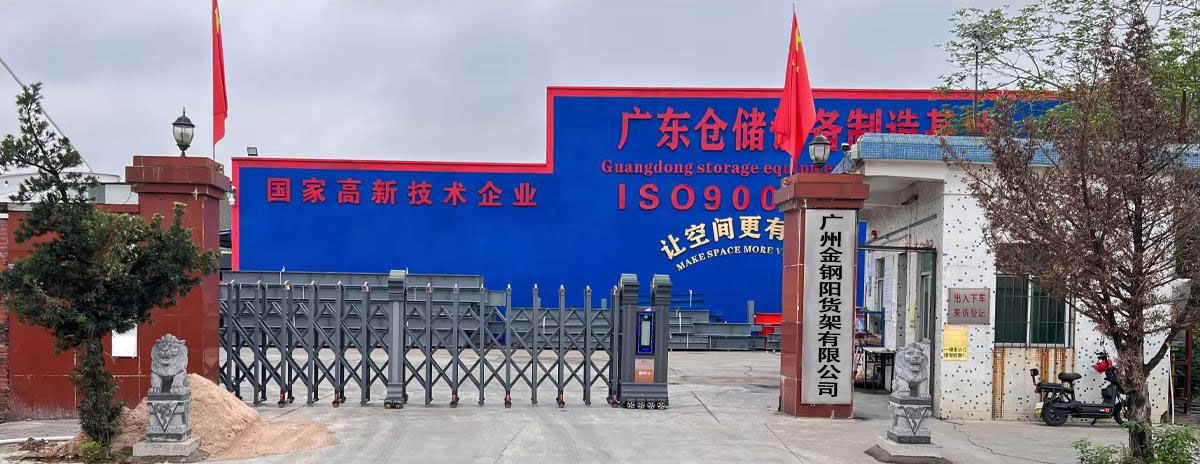
Established in 2016, Guangdong JGY Shelf Co., Ltd. has evolved into a leading force in high-density industrial racking systems. With over 15 years of industry experience in engineering structural solutions and 7 years of dedicated export experience, the company manages an expansive 18,500㎡ modern manufacturing facility engineered to satisfy global supply chain demands.
At JGY Shelf, our manufacturing processes are backed by a strong commitment to quality control. We deploy 45 specialized Quality Control experts who manage step-by-step evaluations across our entire material processing lines. This meticulous protocol comprises:
Comprehensive verification of incoming structural steel coils for yield strength and thickness tolerances before roll forming starts.
Simulated load cycles on upright frames and pallet support rails to confirm safety factor indices under physical load stress.
Comprehensive salt spray testing and powder coating thickness evaluations to guarantee long-term rust prevention.
Driven by innovation, JGY Shelf's 120-person engineering department introduced 320 new designs and storage systems over the past year. This agility empowers our factory to support deep OEM/ODM adjustments—offering customizable dimensions, customized structural steel grades, specialized finish options, and precise project layouts. Backed by a partner network of over 850 raw material and supply chain providers, we maintain short production lead times and cost efficiency for buyers across North America, Europe, Australia, the Middle East, Southeast Asia, and South America.
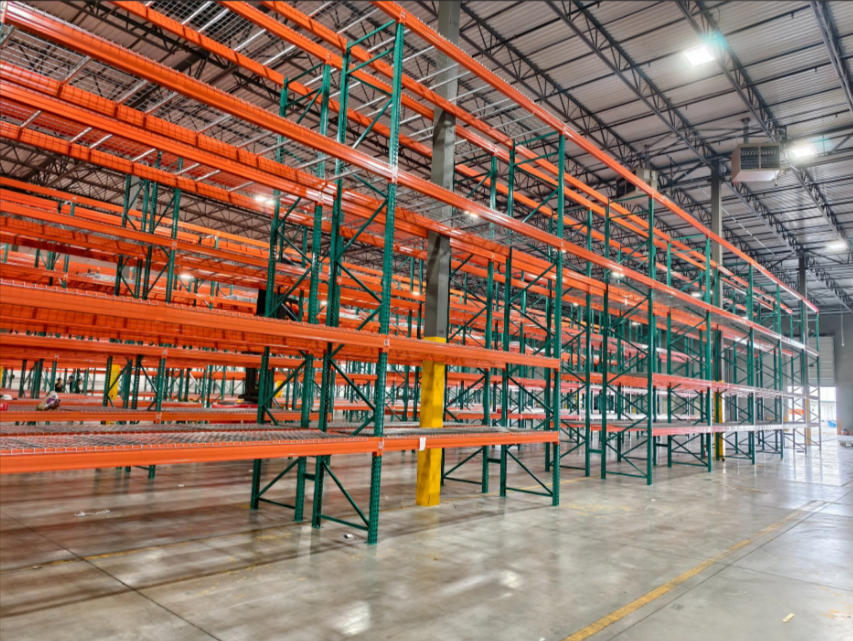
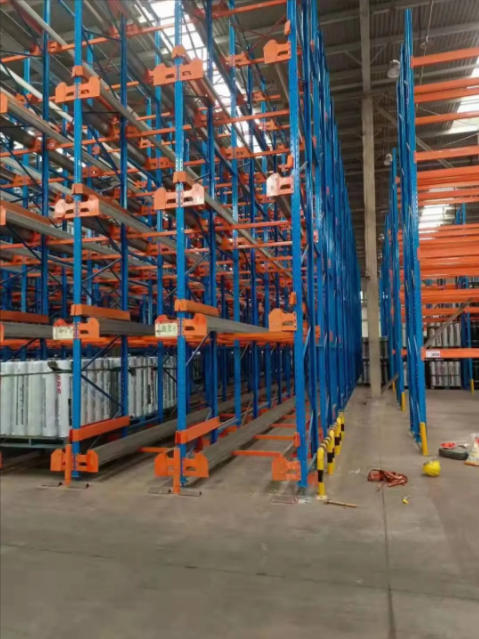
Industrial storage solutions cannot be designed with a one-size-fits-all approach. Different product types require distinct racking specifications. Understanding how drive-in shelves operate under varying site conditions is key to ensuring structural safety and optimal throughput.
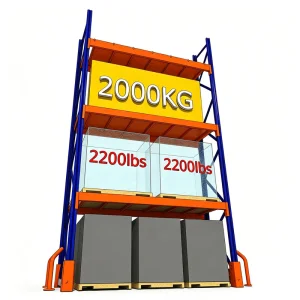
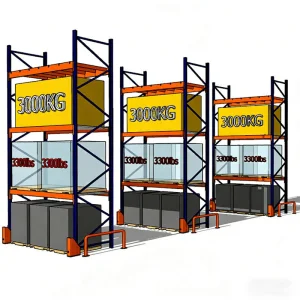
When engineering high-capacity configurations, structural designers assess physical criteria to protect the system against mechanical failure, floor settling, or forklift impacts.
Because cold rooms are expensive to build and operate, drive-in systems are widely used here to compress storage volume, minimizing temperature loss and maximizing product density.
Ideal for high-volume manufacturing environments with uniform pallet loads, where goods are dispatched in large, identical batches.
Provides a secure, high-density solution for raw material inventory and packaged products with long shelf lives.
Procuring structural steel racking systems from overseas requires a clear technical evaluation process. Unlike standard products, warehouse racking structural safety directly impacts facility operations and personnel safety. Global supply chain managers should follow this evaluation checklist when importing:
Verify that your manufacturer issues formal mill test certificates (MTC) for all steel batches, proving the chemical makeup and tensile yield limits conform to ASTM or ISO standards.
Upright frame connectors and load-bearing bracket assemblies must undergo deep weld testing. Poor welding control can cause structural failures under dynamic forklift impacts.
Because forklifts enter the racking structure, drive-in bays are prone to bumps. Check that your manufacturer supplies heavy-duty upright protectors, base plates, and guide rails.
The global warehousing industry is transitioning toward semi-automated systems. While manual drive-in racking remains a cost-effective, high-density choice, factories are increasingly building hybrid designs. Integrating Radio Shuttle Systems into drive-in steel structures allows the system to act as a semi-automated warehouse.
In these hybrid configurations, the forklift does not enter the racking lanes. Instead, a wireless shuttle cart transports the pallets deep into the lanes. This evolution eliminates forklift impact risks, boosts cycle times, and allows operators to easily switch between First-In, First-Out (FIFO) and Last-In, First-Out (LIFO) configurations.
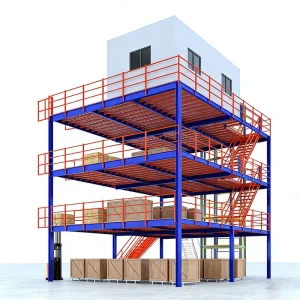
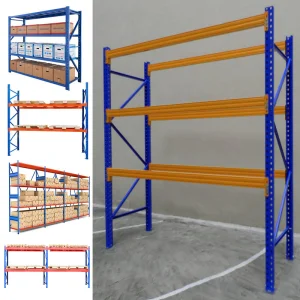
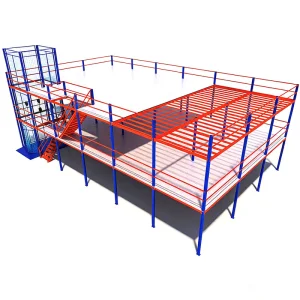
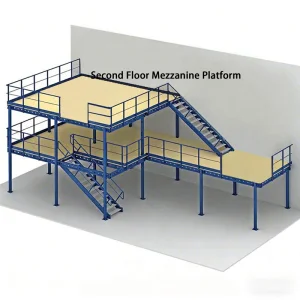
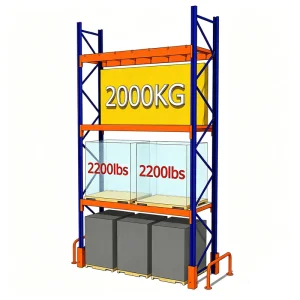
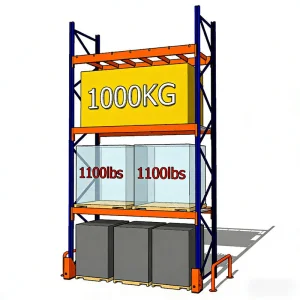
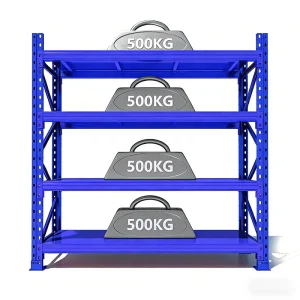
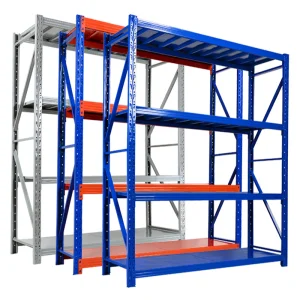
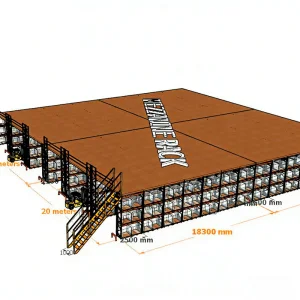
Explore our full range of heavy-duty storage shelves, adjustable racking panels, and structural mezzanine solutions manufactured to match your operations.
 JGY Shelf