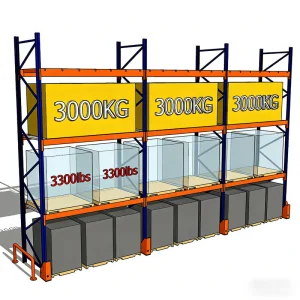
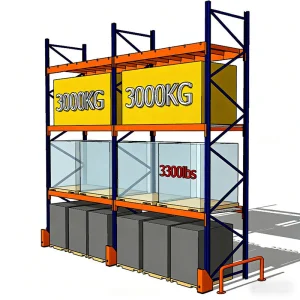
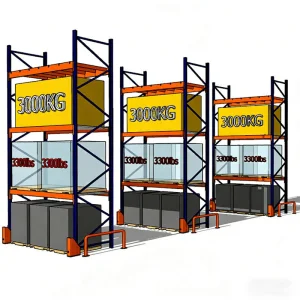
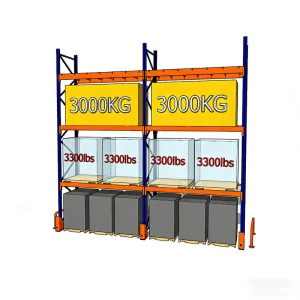
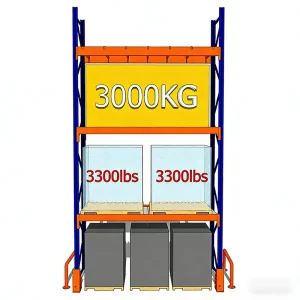
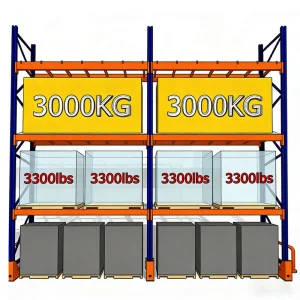
Engineered to handle extreme loads up to 3000KG per level, optimized for logistics depots in Accra, Tema, and Kumasi.
As the administrative heart of the African Continental Free Trade Area (AfCFTA), Ghana is rapidly converting its economic structure from primary agricultural exports to a diversified manufacturing and logistical hub. The development of key industrial centers such as the Tema Free Zone, the Accra Digital Centre, and the Kumasi Industrial Enclave has spurred an unprecedented demand for modern, high-density warehouse storage systems. Operating within this rapid growth trajectory, domestic logistics directors and international distribution partners face the critical challenge of optimizing vertical warehouse space while maintaining absolute safety protocols.
SEO Insight & Market Reality: Coastal humidity in Tema Port and the sub-Saharan tropical climate across Greater Accra demand structural storage frames with superior anti-corrosive powder coatings. Standard, low-spec racks run the risk of oxidation and premature structural decay, making specialized 500KG to 3000KG heavy-duty pallet racking systems an operational necessity.
Heavy-duty storage solutions engineered for 3000KG per layer are crucial for handling commodities such as machinery spare parts for gold mining operations in Obuasi and Tarkwa, raw cocoa bean storage for COCOBOD processing centers, and heavy consumer goods distributed by FMCG giants in Accra. Systems must feature structural integrity that handles dynamic loading during forklift placement, prevents beam deflection, and maintains structural elasticity under sustained maximum loading conditions.
A trusted global supply partner providing robust, automated warehousing products directly to West African enterprise buyers.
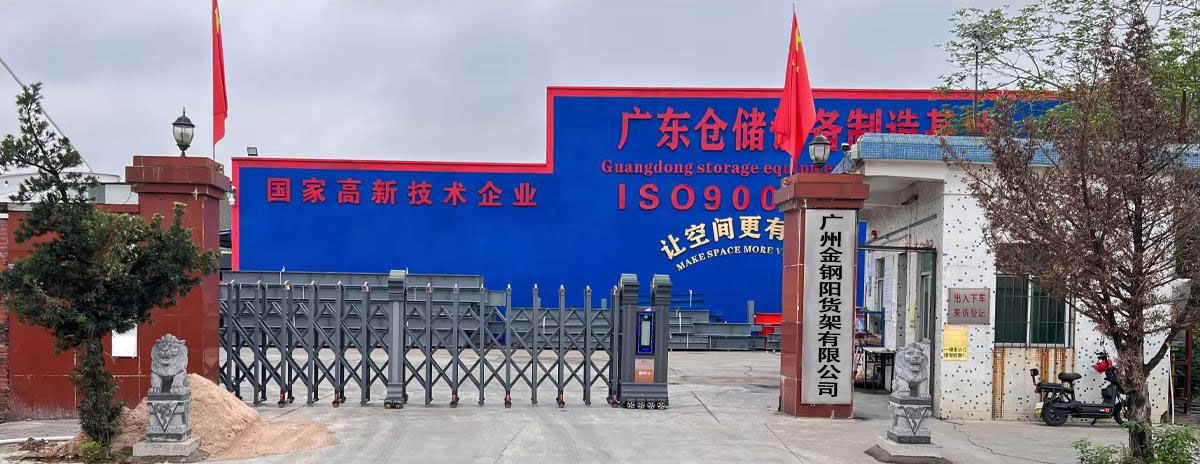
Established in 2016, Guangdong JGY Shelf Co., Ltd. represents a synthesis of design expertise and automated industrial production. Our manufacturing campus operates under a state-of-the-art ERP system, housing automated roll-forming lines, computerized punching stations, and robotized dual-gantry welding units. Our capacity to execute OEM/ODM requests allows us to customize upright beam thicknesses (from 1.5mm to 2.5mm and beyond) and beam profiles (box beams, step beams) to meet the exact load criteria specified by structural engineers.
With more than 850 strategic supply chain partners worldwide, JGY Shelf controls raw material sourcing, utilizing high-tensile Q235B steel grades. Our 120-engineer R&D team continuously assesses structural performance, launching 320 new storage designs annually. This ensures that every racking component deployed to Ghana has been modeled under finite element analysis (FEA) to confirm safety indices under dynamic load stress.
Our quality assurance workflow features a multi-tiered inspection protocol. 45 dedicated QC specialists run comprehensive testing programs, including:
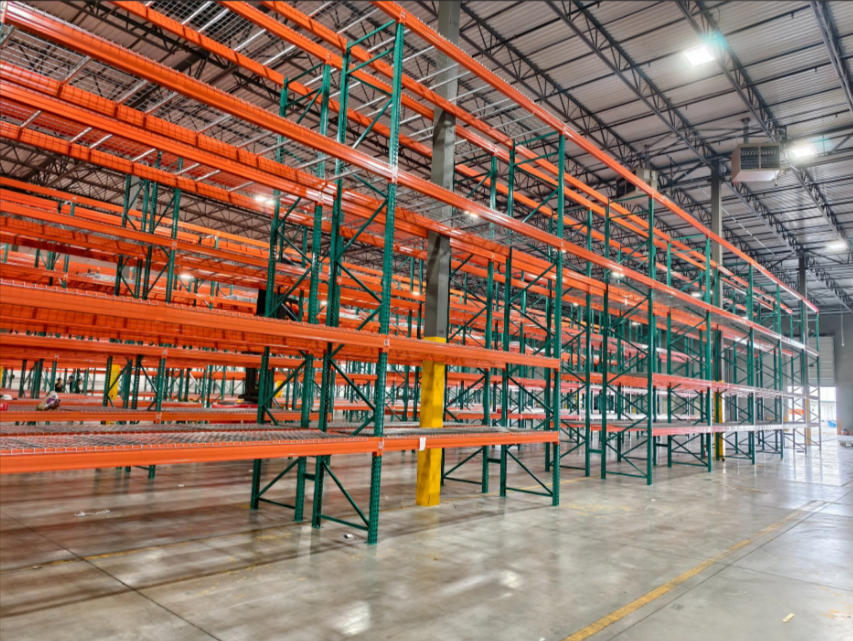
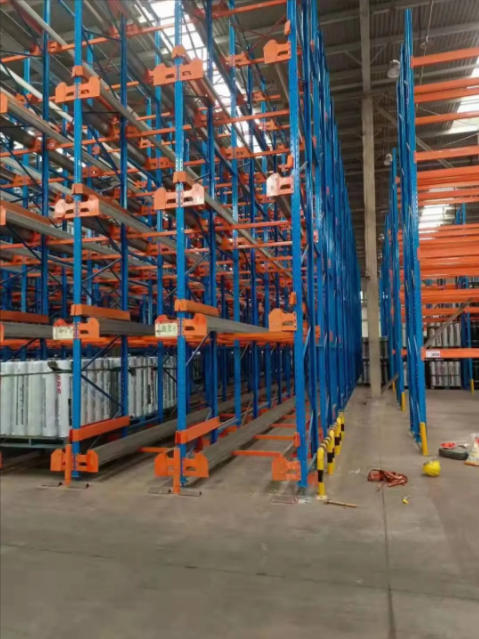
A rigorous breakdown of the structural components that guarantee safety and longevity in African environments.
Due to the high humidity typical of coastal West Africa, JGY Shelf utilizes a thermosetting epoxy-polyester powder coating. The process begins with a multi-stage chemical pre-treatment, including acid pickling, degreasing, and phosphating. This guarantees that the steel surface is free from oil and oxide scales. The powder is then electrostatically applied and cured in a heating tunnel at 180°C to 200°C. This forms a hard finish resistant to impacts, scratches, chemicals, and moisture ingress.
Our heavy-duty racking systems are engineered with a minimum safety factor of 1.5, in accordance with FEM (Fédération Européenne de la Manutention) guidelines. Under full load, the horizontal beam deflection is constrained within L/200 (where L is the length of the beam span). For a 2700mm beam span, maximum deflection is kept under 13.5mm, ensuring stability and preventing damage to the pallet or rack.
The upright frames are designed to transfer vertical loads directly to the warehouse slab. We use cold-rolled omega sections with reinforcing ribs to resist local torsional buckling. Baseplates are made of hot-rolled steel plate and anchored to the concrete floor using heavy-duty mechanical expansion bolts, ensuring stability during forklift impact or seismic events.
Southern Ghana, particularly Accra and its surrounding areas, is located in an active seismic zone. This requires racking structures to be designed with dynamic load calculations. JGY Shelf works closely with local engineering teams to design structures that incorporate cross-bracing and portal ties. These features help absorb lateral shear forces during earth movements, ensuring worker safety and protecting stored goods.
Custom Engineering Note: Every system shipped to Ghana includes detailed structural calculations, layout plans, and load tables. These documents help streamline the approval process with local municipalities and structural engineering consultants.
Explore our main product line, designed to fit standard ISO containers and ship directly to the Port of Tema.
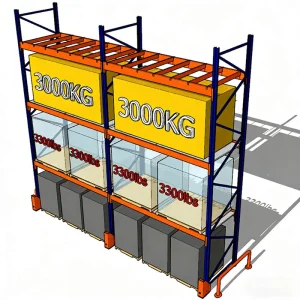
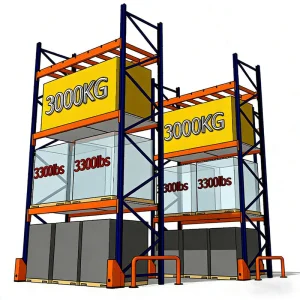
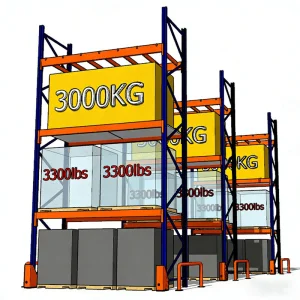
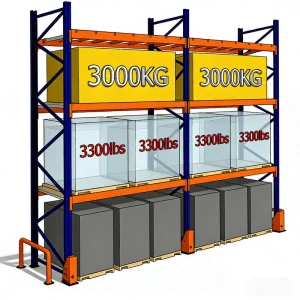
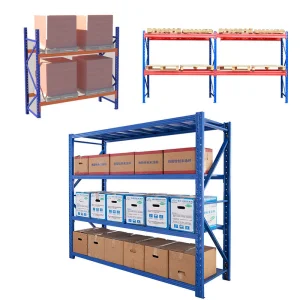
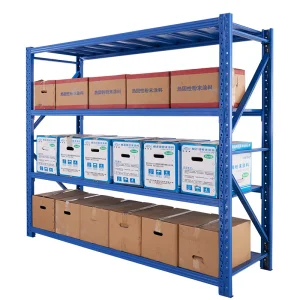
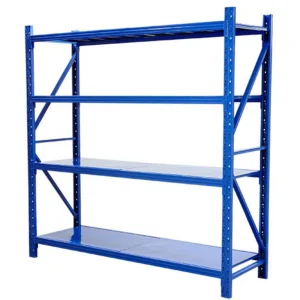
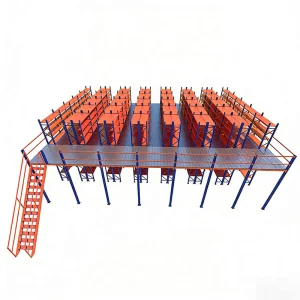
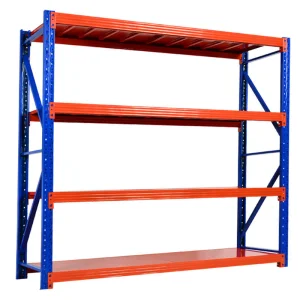
The rise of regional logistics corridors (such as the Abidjan-Lagos Corridor passing through Accra) is driving the adoption of automation in local warehouses. The next wave of infrastructure upgrades will move beyond basic static racking toward automated storage and retrieval systems (ASRS), shuttle systems, and narrow-aisle (VNA) configurations. JGY Shelf is at the forefront of this shift, engineering racking solutions that integrate with warehouse management software (WMS) and automatic guided vehicles (AGVs).
Additionally, green logistics initiatives are gaining traction. Racking systems manufactured with low-carbon steel processes and coated using VOC-free powders help local companies comply with international environmental standards while lowering the carbon footprint of their operations.
Shipping large steel components from our production base in Guangdong, China to West Africa requires specialized shipping and logistics coordination. We pack all upright frames and beams in protective bubble wraps, bound on reinforced steel pallets, to minimize transit damage. Standard shipping times to Tema Port typically range from 28 to 35 days. We provide complete documentation, including bills of lading, certificates of origin, and SASO/G-Mark standard compliance sheets, to assist with customs clearance.
Providing clear answers to technical questions about custom design, freight, and installation in the Ghanaian market.
 JGY Shelf