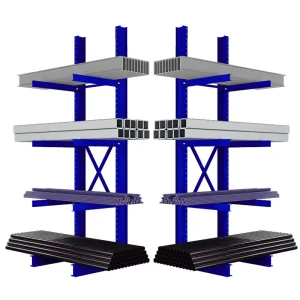
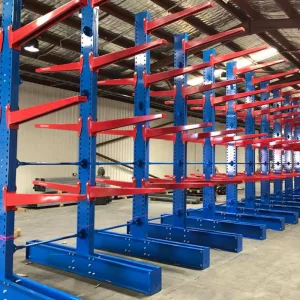
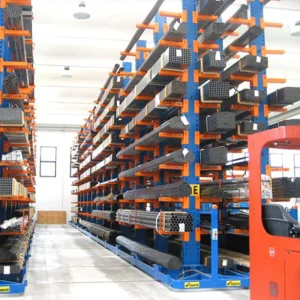
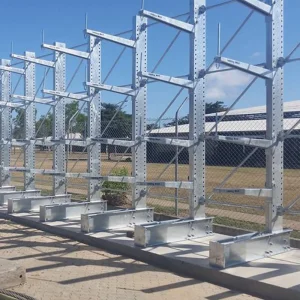
Japan's industrial landscape is characterized by a unique blend of extreme spatial constraints, high seismic activity, and a relentless pursuit of "Kaizen" (continuous improvement). As Japan moves further into the "Society 5.0" era, the demand for sophisticated cantilever shelving has transitioned from simple storage to high-efficiency material handling systems. Unlike traditional pallet racking, cantilever systems are the backbone of industries dealing with long, awkward, or heavy materials such as lumber, steel pipes, and automotive chassis components common in the Greater Tokyo and Hanshin Industrial Regions.
Current data indicates that Japanese logistics centers are increasingly adopting Single-Sided and Double-Sided Cantilever configurations to maximize vertical space. With land prices in hubs like Kawasaki and Osaka remaining among the highest globally, the ability to store materials vertically without the obstruction of front columns is not just an advantage—it is a business necessity. Our manufacturing focus for the Japanese market integrates SS400 and Q235B high-tensile steel, ensuring that our systems meet the rigorous demands of the Japan Industrial Standards (JIS).
On a global scale, the cantilever shelving market is projected to grow at a CAGR of 5.8% through 2030. While European manufacturers offer high quality, the Information Gain for Japanese procurement officers lies in the efficiency of China-based production hubs like Guangdong JGY Shelf Co., Ltd. We bridge the gap between "Japanese Quality" and "Chinese Efficiency."
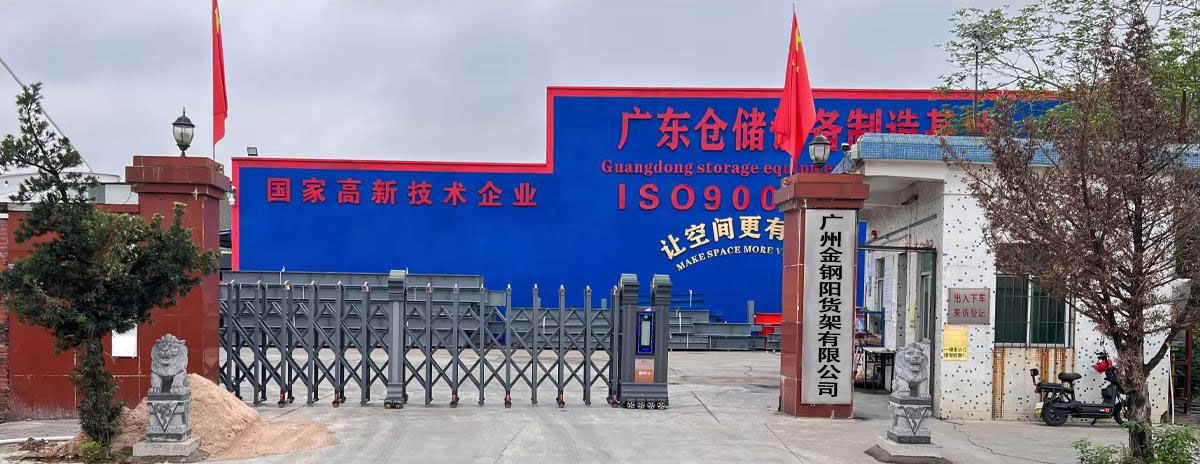
Our China-based factory advantage stems from integrated supply chains. We operate a modern manufacturing facility covering 18,500㎡, utilizing robotic welding and automated powder coating lines that significantly reduce lead times compared to domestic Japanese producers. For a Japanese client, this means receiving custom-engineered racks in 4-6 weeks, rather than the 3-4 months typical of local fabricators.
In Japan, a shelf is not just a shelf; it is a structural element that must withstand seismic tremors. JGY Shelf prioritizes anti-seismic design features for the Japanese market:
Typical application scenarios in Japan include construction material wholesalers in Saitama, machinery parts storage in Nagoya, and refrigerated storage solutions for the seafood industry in Hokkaido (utilizing our specialized cold-resistant coatings).
As a senior growth director, I emphasize that our authority is built on Guangdong JGY Shelf Co., Ltd.'s rigorous QC ecosystem. With 45 dedicated QC specialists, we don't just "check" products; we validate engineering integrity. Our inspection process includes:
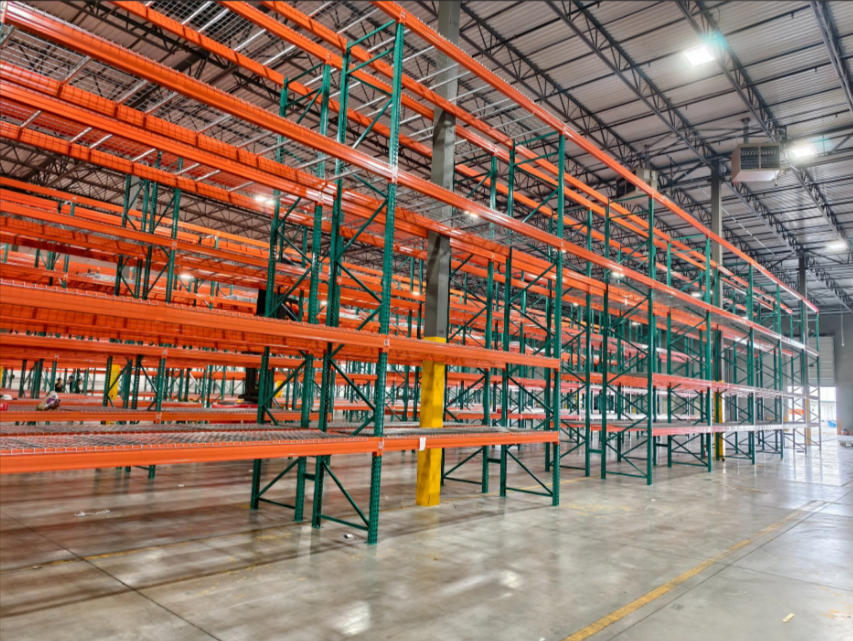
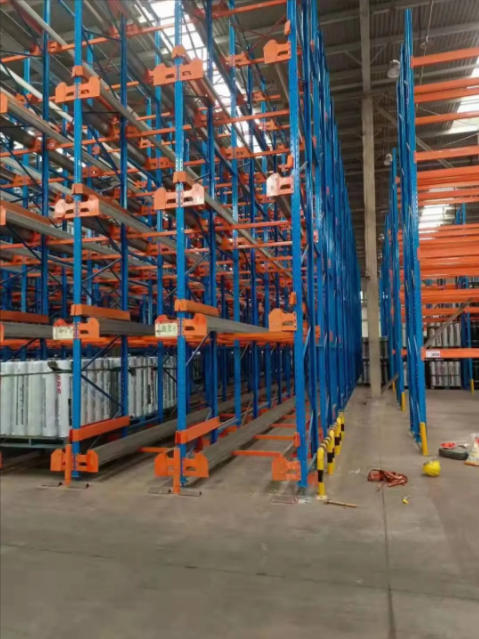
The future of storage in Japan is Automation-Ready (AR). JGY Shelf is currently developing cantilever systems that integrate with AGVs (Automated Guided Vehicles) and RFID tracking systems. We are also committed to sustainability, using eco-friendly powder coatings that emit zero VOCs, aligning with Japan’s green procurement policies. Our R&D team of 120 engineers ensures that our solutions are not just for today, but for the automated logistics landscape of 2030.
Guangdong JGY Shelf Co., Ltd. is committed to providing reliable shelving systems, professional manufacturing services, and customized storage solutions for customers worldwide. We continue to improve technology, production efficiency, and product quality to become a trusted global partner in the shelving industry.
Send Inquiry Now JGY Shelf