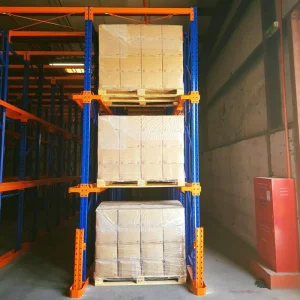
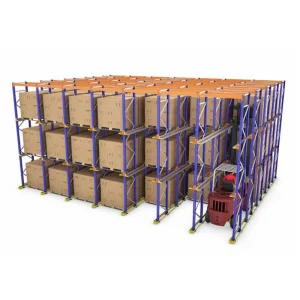
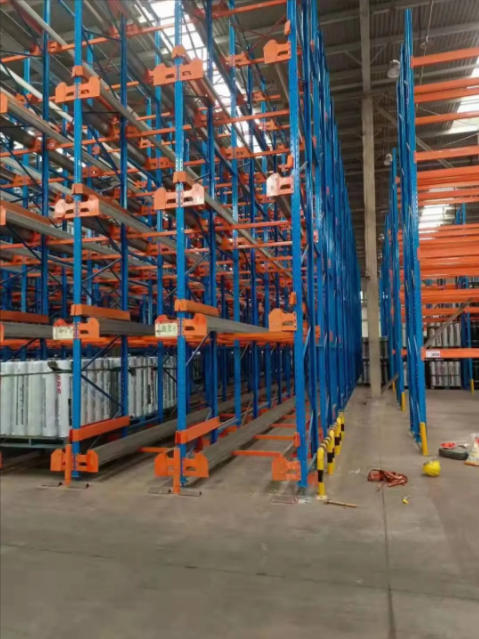
Maximize your storage space up to 85% with our engineered industrial drive-in racks and storage solutions.
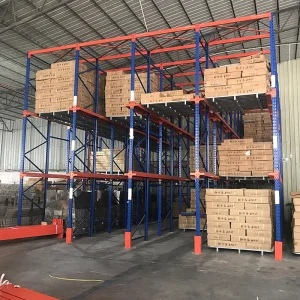
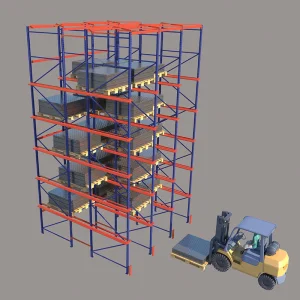
The Metropolitan Area of Lima and Callao stands as the pivotal industrial engine and distribution gateway of Peru, commanding over 70% of the country’s manufacturing output and cargo operations. With the mega-development of the Chancay Port Project and the expansion of the Jorge Chávez International Airport, Lima is undergoing a structural transformation into a leading South American logistics hub. This expansion has triggered an unprecedented surge in demand for optimized industrial footprint solutions.
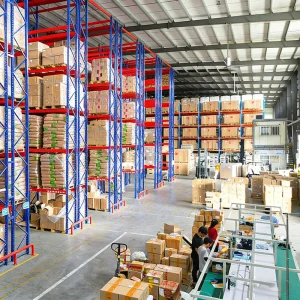
In key industrial nodes like Lurín, Huachipa, Villa El Salvador (VES), and Callao, industrial land values have reached premium heights. Consequently, warehousing operations can no longer afford the spatial inefficiencies of traditional selective pallet systems. Implementing high-density Drive-in systems has become a structural necessity for businesses managing high-volume, low-SKU operations, such as agricultural export, food processing, fisheries, and retail distribution chains.
Understanding Peruvian E.030 structural codes and how dynamic seismic design protects industrial assets.
Lima is located in Zone 4, the highest seismic rating in Peru. Racking structures must undergo rigorous finite element analysis (FEA) to confirm resistance to horizontal forces, ensuring stability during high-intensity earthquakes.
Deploying high-yield steel like Q235B and Q345B allows columns to absorb and distribute seismic energy safely. This structural flexibility prevents catastrophic upright collapse under full load capacities.
Seismic-grade baseplates, dual floor anchors, and top-bracing frames distribute loads evenly. Heavy-duty column protectors shield critical uprights from accidental forklift impact during LIFO operations.
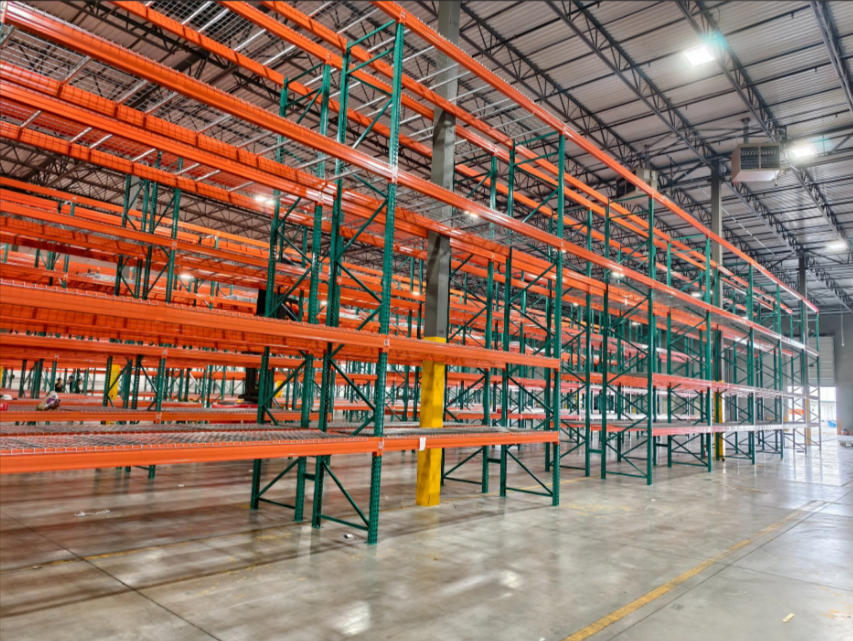
As energy costs rise globally, warehouse operators are moving away from traditional wide-aisle configurations. High-density storage is particularly vital in refrigerated facilities, where the energy required to cool open space represents a major operational expense. Drive-in and Drive-through systems minimize empty spaces, reducing overall cooling volume and optimizing thermal dynamics.
Moreover, global supply chains now emphasize sustainable and durable infrastructure. Modern racking factories rely on automated electrostatic powder coating systems that prevent rust in high-humidity regions like Callao without releasing harmful VOCs. This treatment ensures long-lasting corrosion protection, crucial for preserving structural integrity in coastal environments.
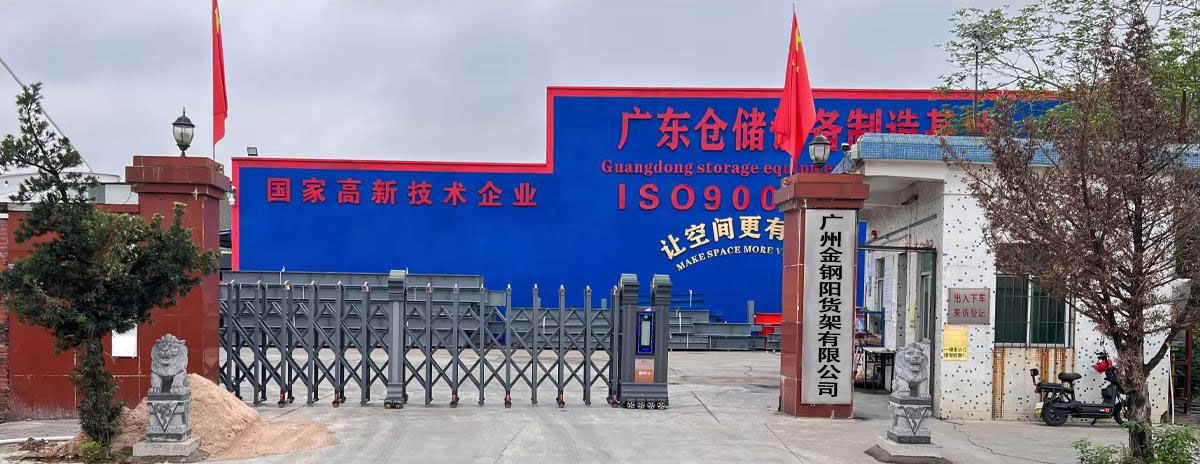
How Guangdong JGY Shelf Co., Ltd. combines advanced manufacturing automation with strict quality control to deliver competitive value globally.
Chinese steel manufacturing hubs leverage direct supply chains and high-volume, automated production to achieve exceptional cost-efficiency. Our robotic roll-forming and welding processes ensure consistent precision in every racking column, arm, and rail. This precision is critical for the stability of high-density Drive-in structures, where component variance can affect overall load distribution.
At Guangdong JGY Shelf Co., Ltd. (established in 2016), we back these efficiencies with rigorous testing protocols. Our quality inspections include detailed raw material verification, welding strength tests, salt spray testing for corrosion resistance, and physical load testing to verify compliance with international standards. Backed by a dedicated team of 120 experienced engineers and 45 quality assurance specialists, we design and manufacture racking systems that withstand demanding warehouse environments worldwide.
We work closely with logistics managers, warehouse operators, and engineering contractors to design custom storage configurations. Our support spans the entire lifecycle: from spatial layout design (CAD models) and weight distribution analysis to container utilization logistics and onsite installation guidance. With a robust network of over 850 supply chain partners, we ensure stable material sourcing and reliable production schedules to keep projects on track.
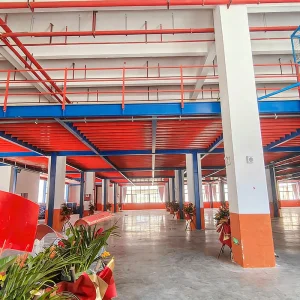
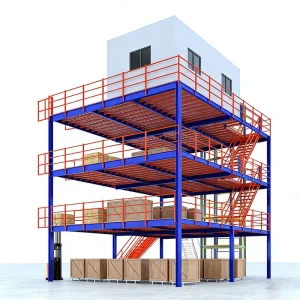
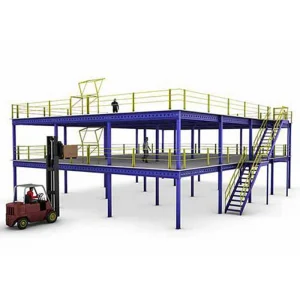
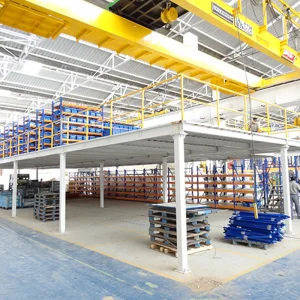
Maximize vertical space in industrial zones with multi-level structural steel platforms.
A technical roadmap for purchasing managers to evaluate drive-in shelving manufacturers.
Procuring industrial warehouse storage structures requires balancing upfront capital expenditure with long-term structural safety and compliance. For logistics directors in Peru, several key factors should guide the evaluation of international manufacturing partners:
Verify that your supplier uses structurally tested steel, such as carbon structural steel conforming to ASTM or EN equivalents (e.g., Q235B or Q345B). High-strength steel ensures predictable behavior under load, which is critical for cold storage environments where steel becomes more brittle.
Ensure structural designs match the local requirements in Lima (under Peruvian E.030 seismic guidelines). Racking manufacturers should provide structural calculations detailing how the uprights, beam rails, and bracing will respond to seismic activity at maximum load capacity.
Coastal and high-humidity logistics zones, such as Callao, require durable protective coatings to prevent rust. High-quality powder coatings must pass salt spray testing to confirm long-term corrosion resistance. Look for modern automated coating lines that apply a uniform layer of protective paint across all components, including inside roll-formed upright profiles.
Drive-in racking systems rely on forklifts entering the racking structure. To mitigate collision risks, the design should include upright protectors, guide rails, and entry-guard columns. These heavy-duty safety components shield structural frames from forklift impact and help ensure warehouse safety.
Key technical answers to guide your next industrial shelving project.
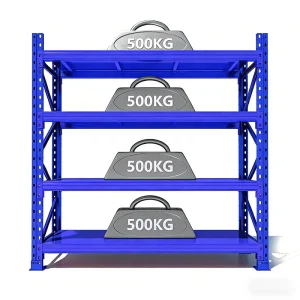
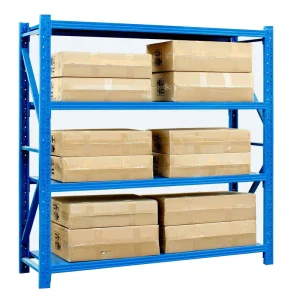
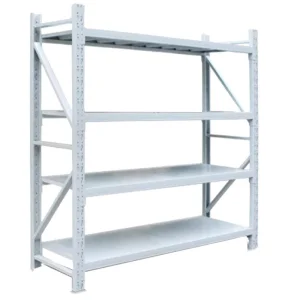
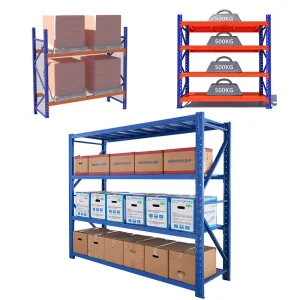
From light-duty shelving to heavy-duty industrial selective systems, we supply a complete range of certified storage equipment.
 JGY Shelf